Celebrate Pollinator Week! June 22-27, 2026
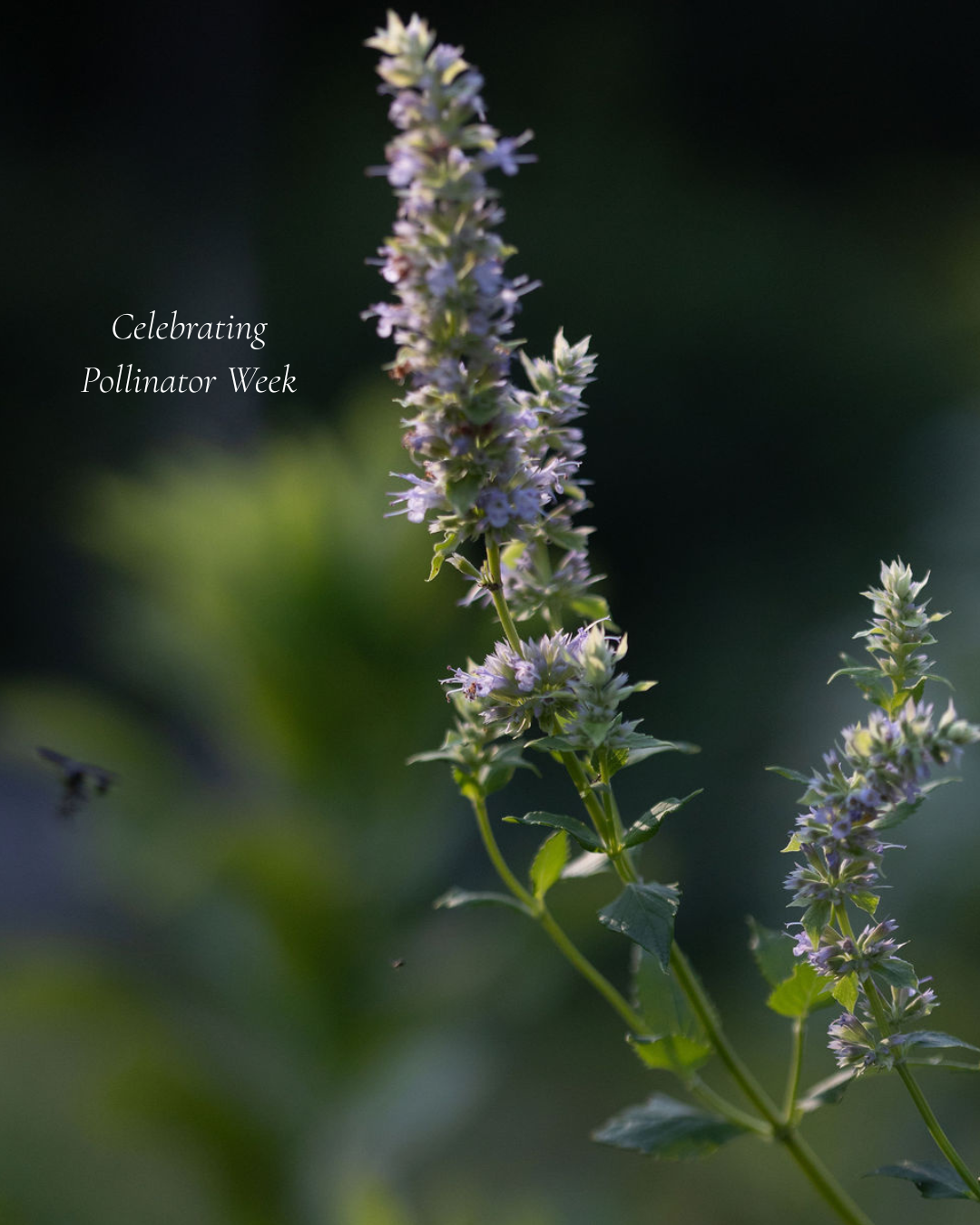
Photo by Meghan McSweeny
YOUR GARDEN CAN BE BEAUTIFUL AND BENEFICIAL...
Together with the Xerces Society, WWLD is promoting 4 core values to support Pollinators and create beauty in the garden.
Flowers provide the nectar and pollen resources that pollinators feed on. Growing the right flowers, shrubs, and trees with overlapping bloom times will support pollinators from spring through fall. What’s the right plant for you? Here is a great plant list to get you started.
Support all pollinator life stages, including eggs and larvae! For bees, leave patches of bare ground and brush piles, have plants and shrubs with hollow or pithy stems, or install nesting blocks. For butterflies and moths, plant their caterpillar host plants. And in the Fall, leave the leaves. Here is a guide on nesting habitats.
Pesticides, especially insecticides, are harmful to pollinators. Herbicides reduce food sources by removing flowers from the landscape. Fungicides can also have negative effects on bees. There are safer ways to manage issues! Here are some pesticide-free prevention strategies.
Share the excitement...Did you know Richmond is a BEE CITY since 2024? There are 463 BEE CITIES across the US, and Virginia also has seven BEE CAMPUS affiliates. Join friends and neighbors making Pollinator Pathways in your neighborhood.
Interested in a Garden Assessment with a list of plants and a plan of action to add more pollinators? Inquire here. Don’t miss out on a monthly newsletter from me, where I highlight native plants as well. Subscribe here.